Gardening Jobs for December: Winter Care & Festive Touches
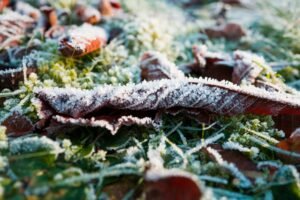 December in the garden is a month of reflection, protection, and quiet beauty. The year is drawing to a close, the days are short, and frost or even snow may visit. While outdoor activity slows, there’s still plenty to do to keep your garden healthy, protect plants from harsh conditions, and enjoy the seasonal atmosphere.
Lawns and Winter Maintenance
Grass growth has largely stopped, but lawns still benefit from occasional care. Avoid mowing unless necessary, and if you do, keep the blades raised to prevent stressing the grass. Fallen leaves can smother the lawn, so gently rake or sweep them up, adding them to your compost or leaf mould heap for future use.
“A little care in December keeps your lawn healthy, ready to bounce back in spring.”
Check for any winter damage from wind or frost and remove any debris that could harm your grass or plants. This gentle attention now helps the garden recover quickly in spring.
Borders and Flower Beds: Tidying & Winter Prep
December is largely about preparing borders for winter. Cut back any remaining perennials that have finished flowering, but leave some seed heads for wildlife, such as birds seeking food. Remove diseased or decayed stems to reduce the risk of overwintering pests.
Consider mulching borders with compost, bark, or leaf mould to protect roots from frost and help retain moisture. This simple step strengthens plants for a healthy start in spring.
“Winter mulch is like a cosy blanket for your plants — they’ll thank you with strong growth next year.”
Containers and Pots: Protection for Tender Plants
Potted plants are particularly vulnerable in December. Move tender plants into frost-free areas such as greenhouses, cold frames, or sheltered patios. Mulch pots with bark or fleece for extra insulation. Hardy plants such as cyclamen, pansies, or evergreens can stay outside, providing colour and interest during the cold months.
“December is the month to shield your plants — a little protection now ensures they thrive later.”
Fruit, Vegetables, and Harvest
Winter vegetables such as kale, leeks, and Brussels sprouts can still be harvested, and December is a good time to check stored fruit like apples and pears. Remove any rotting fruit to prevent disease and pests.
Gardens with late crops can benefit from covering beds with cloches or fleece to extend harvests. Empty beds can be enriched with well-rotted compost or manure, protecting the soil and adding nutrients for spring planting.
“Even in December, the garden can offer rewards for careful attention.”
Planning and Preparing for the Year Ahead
December is also a time for reflection and planning. Take stock of what grew well this year, note areas that need improvement, and order seeds or bulbs for spring. Bare-root roses and trees can be planted now in milder areas, giving them time to establish roots before growth resumes in spring.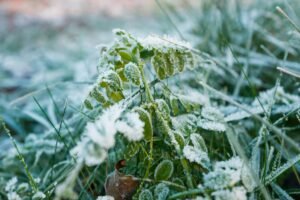
It’s also a good time to check garden structures such as greenhouses, fences, and trellises for any repairs before the coldest months arrive.
“A well-planned December ensures a smooth, productive start to the gardening year ahead.”
Enjoying the Garden and Festive Touches
December can be a magical time in the garden. Frosted mornings, holly, and evergreen shrubs create a seasonal charm. Consider adding festive touches with natural decorations such as pine
cones, berries, and wreaths. Even simple acts like filling bird feeders or hanging fat balls help wildlife through the winter and bring life to your garden.
“Winter isn’t just for rest — it’s a season of beauty, wildlife, and festive charm.”
Final Thoughts
December is quieter than the peak gardening months, but it’s far from idle. With careful attention to lawns, borders, pots, and winter vegetables, your garden can thrive through the cold months and be ready for a strong start in spring. Enjoy the winter landscape, protect your plants, and take time to reflect on a year of gardening achievements.
✨ “December in the garden is about care, protection, and enjoying the quiet beauty of winter.”
