
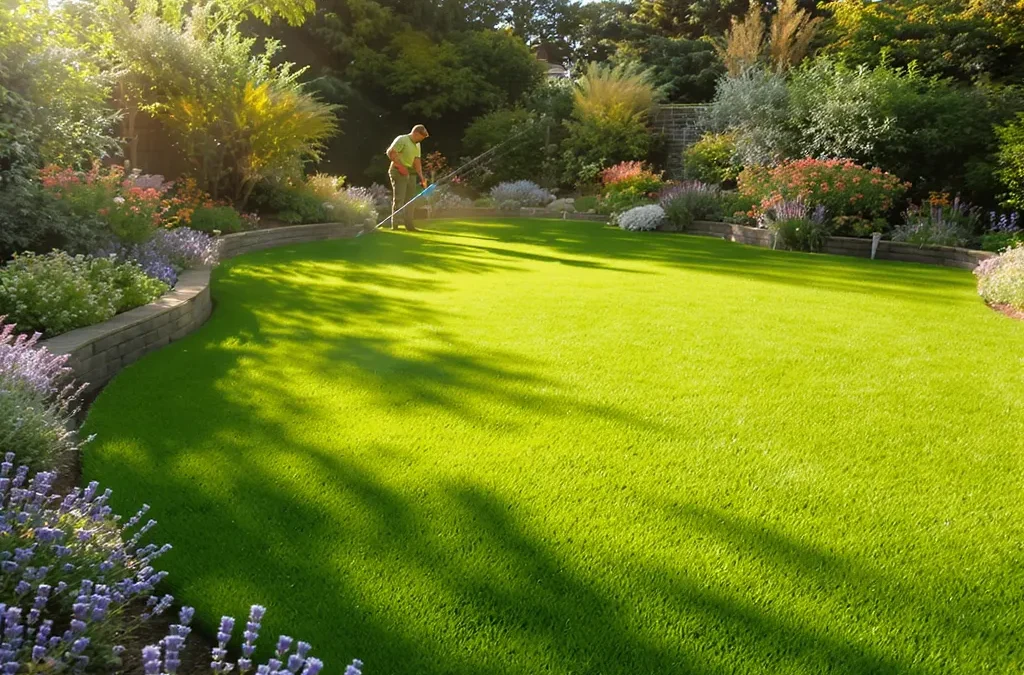
Dry summers in West Sussex are becoming less of an exception and more of a regular challenge. As climate change intensifies, homeowners and property managers face the difficult task of keeping lawns healthy despite reduced rainfall and water restrictions. This article will walk you through proven drought-resistant lawn care strategies, tailored specifically for our local climate, so you can enjoy green, resilient turf without excessive water use.
A well-maintained lawn not only enhances curb appeal but also supports biodiversity, reduces urban heat, and creates a welcoming outdoor space. Yet, when temperatures climb and rain clouds disappear, traditional lawn care methods can quickly fail. That’s where sustainable, water-wise practices come in.
I always encourage home gardeners to use mulch in their garden beds as a way to conserve water. Mulching reduces evaporation, stabilizes soil temperature, and improves soil health.
Understanding Drought Stress in Lawns
Drought stress occurs when grass cannot access enough water to maintain normal growth and color. In West Sussex, summers are projected to become 10–50% drier by 2030, according to the UK Environment Agency. This means your lawn will need to be more self-sufficient, relying on deep roots and healthy soil to endure prolonged dry spells.
Grass under drought stress may turn bluish-green before browning, and its growth slows as it conserves resources. Soil moisture deficits can occur quickly during heatwaves, particularly in sandy soils common to coastal areas. Understanding these early warning signs enables timely intervention, such as adjusting mowing height or temporarily reducing foot traffic to prevent additional stress.
| Factor | Impact | Adaptation |
|---|---|---|
| Reduced rainfall | Grass browning | Choose drought-tolerant species |
| High temperatures | Increased evaporation | Mow higher to shade soil |
| Soil compaction | Poor water infiltration | Annual aeration |
As shown above, the right adaptations, from grass choice to mowing height, can significantly reduce drought impact, and combining several methods often yields the best results.
Choosing the Right Grass for Drought-Resistant Lawn Care
Selecting drought-resistant grasses is the foundation of sustainable lawn care in dry climates. Tall fescue, hard fescue, and certain Bermuda hybrids are excellent choices for UK gardens. These varieties have deeper root systems that access moisture from lower soil layers, allowing them to survive longer without supplemental watering.
Incorporating microclover into your lawn mix can also help maintain green color during dry spells. Microclover enriches soil with nitrogen naturally, reducing the need for chemical fertilisers and improving overall turf health. In trials conducted by the RHS, microclover lawns maintained better color and density compared to traditional ryegrass during a six-week drought simulation.
Making gardens more drought-resistant isn’t about ripping them up and starting over. It’s about choosing plants suited to your soil, improving soil structure, and adopting sustainable watering habits.
By combining drought-tolerant grasses with species like microclover, you create a lawn ecosystem that is more resilient to both heat and water scarcity. You can explore more on grass variety selection in our lawn treatment programmes guide.
Water-Saving Tips for Drought-Resistant Lawn Care
One of the most effective ways to reduce water use is to water deeply but infrequently. This encourages deep root growth, making grass more resilient. Aim to water early in the morning when evaporation rates are lowest, ideally between 5–8 am, to maximise absorption.
Other water-saving strategies include:
- Mowing at 7–8 cm to shade the soil and reduce evaporation
- Mulching grass clippings to retain moisture and return nutrients
- Installing rain barrels to harvest water during wetter months
- Using drip irrigation for targeted watering, reducing overspray and waste
According to LawnMaster UK, AI-driven irrigation systems can cut water use by up to 40% by using weather data and soil sensors to water only when necessary. Combining these systems with manual checks ensures technology complements human judgment for optimal results.
Soil Health Practices for Drought-Resistant Lawn Care
Healthy soil holds water more effectively and supports deeper roots. Annual hollow tine aeration reduces compaction, allowing water and nutrients to penetrate more easily. Organic compost and mulch improve soil structure and increase its water retention capacity, giving grass a better chance of surviving extended dry periods.
A soil rich in organic matter acts like a sponge, absorbing rainfall and slowly releasing it to plants. For lawns struggling with moss or weeds, improving soil health is essential. Moss often thrives in compacted, poorly drained soil, while weeds can outcompete grass under drought stress. Incorporating biochar into soil amendments can further enhance moisture retention while supporting beneficial microorganisms.
Learn more about targeted moss control methods in our guide on Moss Control for Lawns in West Sussex and check our hollow tine aeration service for professional soil improvement.
Integrating Drought-Resistant Lawn Care with Landscaping
Reducing lawn area by incorporating drought-tolerant borders or ornamental grasses can lower overall water demand. Plants like lavender, sedum, and ornamental fescues not only survive dry conditions but also add visual interest and seasonal colour to your garden.
Rain gardens and bioswales can store and slowly release water back into the soil, supporting nearby turf. These features help balance drought and heavy rain events, both of which are expected to increase. Additionally, using permeable paving around lawn areas reduces runoff and allows more water to infiltrate into the ground, benefiting surrounding plants.
Professional Drought-Resistant Lawn Care Services for Dry Weather
Homeowners and property managers in West Sussex can benefit from professional services such as soil analysis, sustainable irrigation design, and tailored lawn treatment programmes. Our approach combines science-backed methods with organic-friendly solutions to ensure both performance and environmental responsibility.
For example, integrating hollow tine aeration with overseeding can strengthen your lawn’s resilience. Overseeding with drought-tolerant cultivars ensures better coverage and reduces bare patches that can be invaded by weeds. See our full guide on Turf Repair and Overseeding for detailed steps and timing recommendations.
Common Mistakes to Avoid in Drought-Resistant Lawn Care
- Overwatering: Leads to shallow roots and wasted water
- Mowing too short: Increases soil evaporation and stresses plants
- Ignoring soil compaction: Prevents water infiltration and root expansion
- Using synthetic fertilisers in dry weather: Can stress grass further and burn roots
Another common error is neglecting seasonal adjustments; watering schedules and mowing heights should change with weather patterns. By avoiding these mistakes, you’ll save water, reduce maintenance costs, and keep your lawn healthier over the long term.
Advanced Strategies and Future Trends
AI-based irrigation, rainwater harvesting, and the integration of drought-tolerant grass blends are set to become mainstream in West Sussex. As water restrictions become more common, these innovations will be key to maintaining green spaces without over-reliance on mains supply.
Emerging technologies such as soil moisture mapping drones and smart turf sensors will allow hyper-local adjustments to watering schedules. Sustainable lawn care also aligns with broader environmental goals, reducing reliance on chemical inputs and promoting biodiversity by supporting pollinator-friendly plant choices.
Implementation Guide for Drought-Resistant Lawn Care in West Sussex Properties
Step-by-step:
- Conduct a soil analysis to understand pH, texture, and nutrient profile.
- Choose drought-tolerant grass varieties suited to your soil type.
- Adjust mowing height to 7–8 cm to protect roots and reduce evaporation.
- Install water-saving systems like rain barrels or AI irrigation to optimise efficiency.
- Aerate annually to improve soil structure and promote deeper rooting.
- Integrate drought-tolerant plants into borders for reduced maintenance and water use.
Consider documenting results season by season to refine your approach. Following this process ensures your lawn remains green and healthy through dry summers while reducing environmental impact.
Conclusion
Drought-resistant lawn care is not about sacrificing beauty, it’s about working with nature to create sustainable, resilient green spaces. By choosing the right grass, improving soil health, and adopting water-wise practices, you can maintain vibrant turf even in challenging West Sussex summers.
The steps outlined here will help you reduce water use, save money, and protect the environment, all while enjoying a lush lawn. If you’re ready to take your lawn care to the next level, consider partnering with a professional service that understands local soil and climate conditions, ensuring tailored solutions for your property.
With proactive planning, seasonal monitoring, and sustainable methods, your lawn can thrive no matter how dry the summer gets, providing a lasting, beautiful outdoor space for family, friends, and local wildlife.